





Last updated: August 11, 2026
Quick Answer: USB-C rechargeable disposable vapes include a built-in battery that can be topped up through a USB-C port, so the battery lasts long enough to use every drop of e-liquid inside. Charging matters because without it, a dead battery means wasted juice and wasted money. Most devices reach a full charge in 30 to 60 minutes using a standard 5 V USB-C cable, and knowing when and how to charge correctly is the difference between getting your full puff count and throwing away a half-finished device.
Key Takeaways
- USB-C rechargeable disposables pair a refillable battery with a pre-filled, sealed e-liquid tank so the battery never dies before the juice runs out.
- Most devices charge from empty to full in 30 to 60 minutes; a quick 30-minute top-up often gets the battery to roughly 80%.
- Always use a standard 5 V charger (phone charger, laptop port, or basic power bank) rather than a high-wattage fast charger.
- Rechargeable disposables typically cost a small amount more upfront but deliver better per-puff value because no e-liquid goes to waste.
- Never charge a device that has no charging port, shows visible damage, or feels unusually hot.
- LED indicators on most devices signal charge status: blinking while charging, solid when full.
- Overcharging is unlikely with modern protection circuits, but leaving a device plugged in overnight is still not recommended.
- Counterfeit and low-quality devices skip safety circuits, so buying from reputable brands and retailers matters.
What Are USB-C Rechargeable Disposable Vapes?
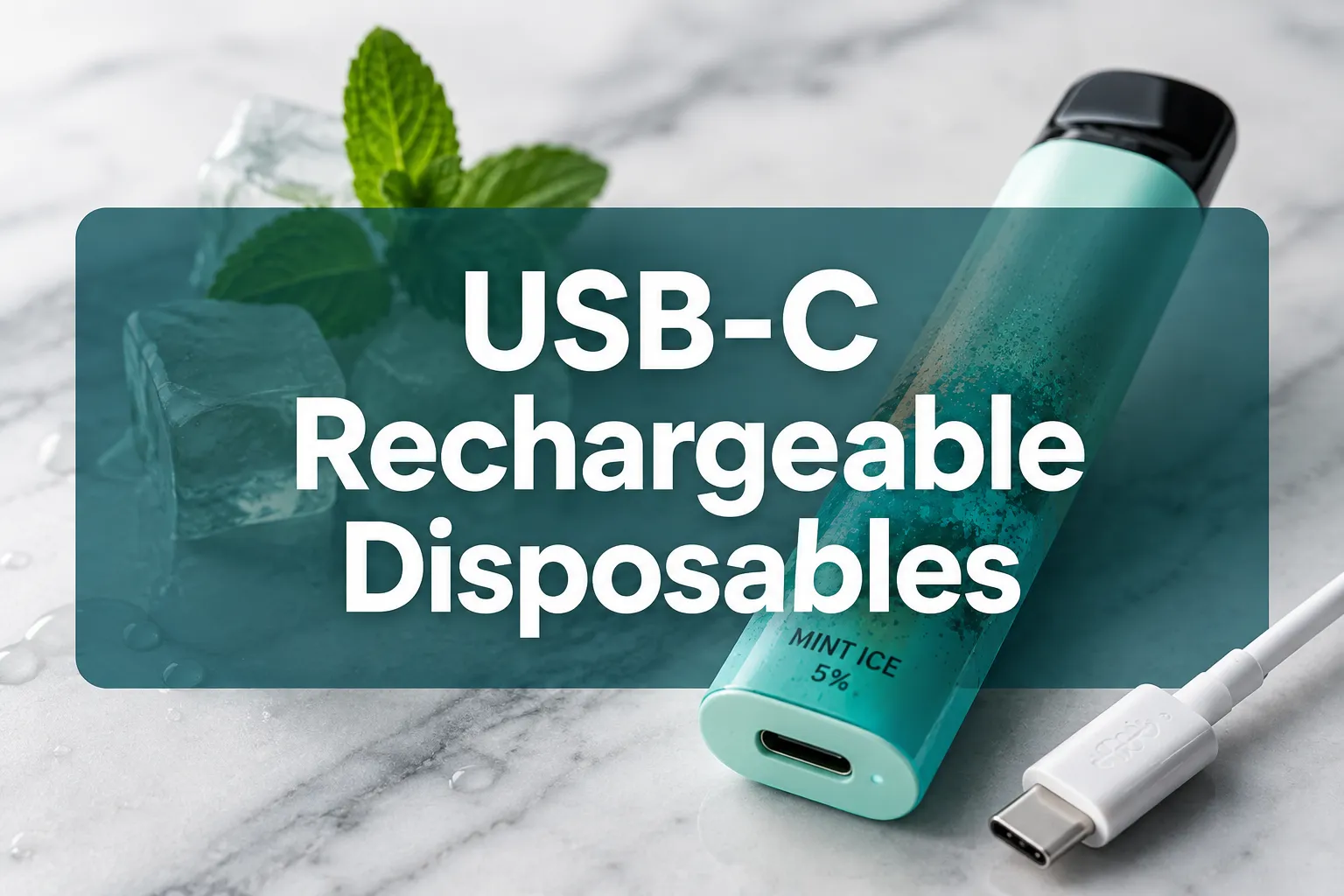
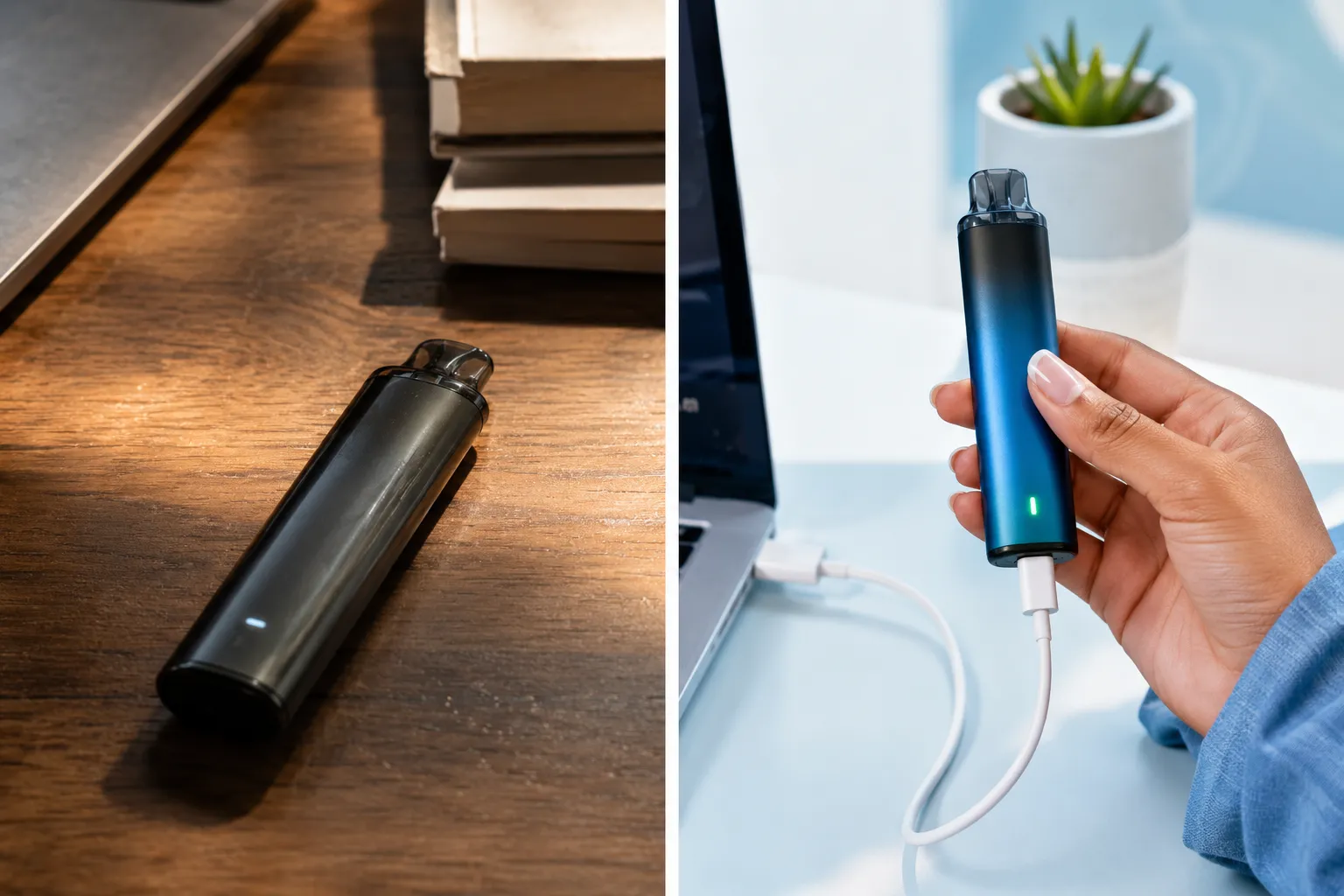
A USB-C rechargeable disposable vape is a single-use vaping device that comes pre-filled with e-liquid and includes a USB-C port for recharging the internal battery. Unlike traditional disposables that die when the battery runs out, these devices let users plug in and recharge so the battery keeps pace with the e-liquid supply.
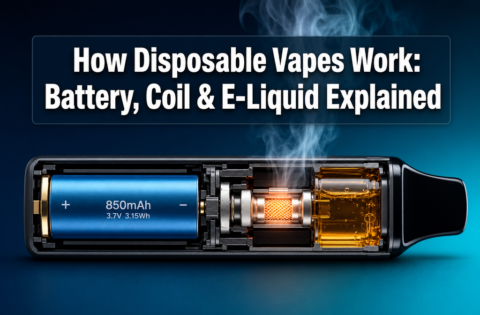
The core components are the same as any disposable: a lithium-ion battery, a heating coil, a wick, and a sealed e-liquid reservoir. The key addition is a small USB-C charging port, usually on the bottom of the device, along with basic charging circuitry and an LED indicator light.
Why USB-C specifically? By 2026, USB-C has become the universal standard for small electronics. The European Union’s common charger directive and similar market pressures pushed manufacturers away from micro-USB. For vapers, this means one cable works for phones, earbuds, and disposable vapes alike.
These devices are still “disposable” in the sense that the e-liquid tank is sealed and not meant to be refilled. Once the juice is gone, the device is done. The rechargeable battery simply ensures users actually reach that point. For a broader look at how these devices function internally, see this guide on how disposable vapes work: battery, coil, and e-liquid explained.
How Many Times Can You Recharge a Disposable Vape?
Most USB-C rechargeable disposables can be recharged between 3 and 8 times before the e-liquid runs out, depending on the device’s battery size and total juice capacity. The battery is designed to outlast the e-liquid, not the other way around.
Here’s the practical breakdown:
- Lower puff-count devices (600-1,500 puffs): These often need only 1 to 3 recharges across the device’s lifespan. The battery-to-liquid ratio is usually generous.
- Mid-range devices (2,000-5,000 puffs): Expect 3 to 5 full charge cycles.
- High puff-count devices (5,000-10,000+ puffs): These may need 5 to 8 or more recharges. The battery is intentionally smaller relative to the e-liquid volume to keep the device compact.
Common mistake: Some users assume they can keep recharging indefinitely and somehow refill the device. The battery will eventually accept charges even after the e-liquid is gone, but hitting a burnt, dry coil means the device is finished. Learn how to tell when a disposable vape is near the end so you don’t keep puffing on an empty tank.
Do Rechargeable Disposables Last Longer Than Regular Ones?
Yes, rechargeable disposables consistently deliver more usable puffs than non-rechargeable models with the same amount of e-liquid. The reason is simple: a non-rechargeable device’s battery often dies before all the juice is consumed, leaving 10% to 30% of the e-liquid unused.
With a rechargeable model, the battery can be topped up as needed, so virtually all of the e-liquid gets vaped. This means:
- A rechargeable 1,500-puff device will reliably deliver close to 1,500 puffs.
- A non-rechargeable 1,500-puff device might deliver only 1,000 to 1,300 puffs before the battery gives out.
Decision rule: Choose a rechargeable disposable if you want to get the full advertised puff count. Choose a non-rechargeable only if you prioritize absolute simplicity and don’t mind potentially losing some juice at the end.
The difference becomes more dramatic with higher puff-count devices. A 5,000-puff non-rechargeable device needs a massive battery to last, which makes it bulky. A rechargeable version can use a smaller, lighter battery and still deliver every puff.
How Long Does It Take to Charge a USB-C Disposable?
A typical USB-C rechargeable disposable takes 30 to 60 minutes to charge from empty to full. Many devices reach approximately 80% capacity in about 30 minutes, with the remaining 20% taking longer as the charging circuit tapers current to protect the battery.
| Battery Capacity | Estimated Charge Time (Empty to Full) | Time to ~80% |
|---|---|---|
| 400 mAh | 25-35 minutes | ~20 minutes |
| 550-650 mAh | 35-50 minutes | ~25 minutes |
| 850-1,000 mAh | 45-65 minutes | ~35 minutes |
Edge case: If your device takes significantly longer than an hour to charge, or doesn’t seem to charge at all, the issue may be the cable, the power source, or a faulty device. More on troubleshooting below.
Practical tip: Most users don’t need to wait for a full charge. A 15 to 20 minute top-up during a break is usually enough to get through several more hours of use.
Are USB-C Rechargeable Disposables Worth It?
For most adult vapers in 2026, yes. Rechargeable disposables offer better value per puff, less wasted e-liquid, and the convenience of USB-C compatibility with cables people already own.
When they’re worth it:
- You want the full puff count you paid for.
- You prefer a lighter, more compact device (smaller battery, same juice capacity).
- You already carry a USB-C cable for your phone.
- You use mid-to-high puff-count devices where battery death before juice depletion is common.
When they might not be worth it:
- You use very low puff-count devices (under 600 puffs) where the battery usually outlasts the juice anyway.
- You want zero maintenance, including zero charging.
- You’re comparing against a refillable pod system, which offers even better long-term value. For that comparison, see disposable vape vs pod system in Canada: which suits you best.
USB-C Rechargeable Disposable Price Compared to Regular Disposables
Rechargeable disposables typically cost $1 to $4 more than a comparable non-rechargeable model. However, the per-puff cost is usually lower because you actually use all the e-liquid.
Example comparison:
- A non-rechargeable 1,500-puff disposable at $12 that delivers only 1,100 usable puffs = roughly $0.011 per puff.
- A rechargeable 1,500-puff disposable at $14 that delivers the full 1,500 puffs = roughly $0.009 per puff.
The rechargeable device costs more upfront but delivers better value. This gap widens with higher puff-count devices. If you’re shopping on a budget, check out affordable disposable vapes in Ontario under $20 to see how rechargeable options stack up at lower price points.
Can You Use Any USB-C Charger for Disposable Vapes?
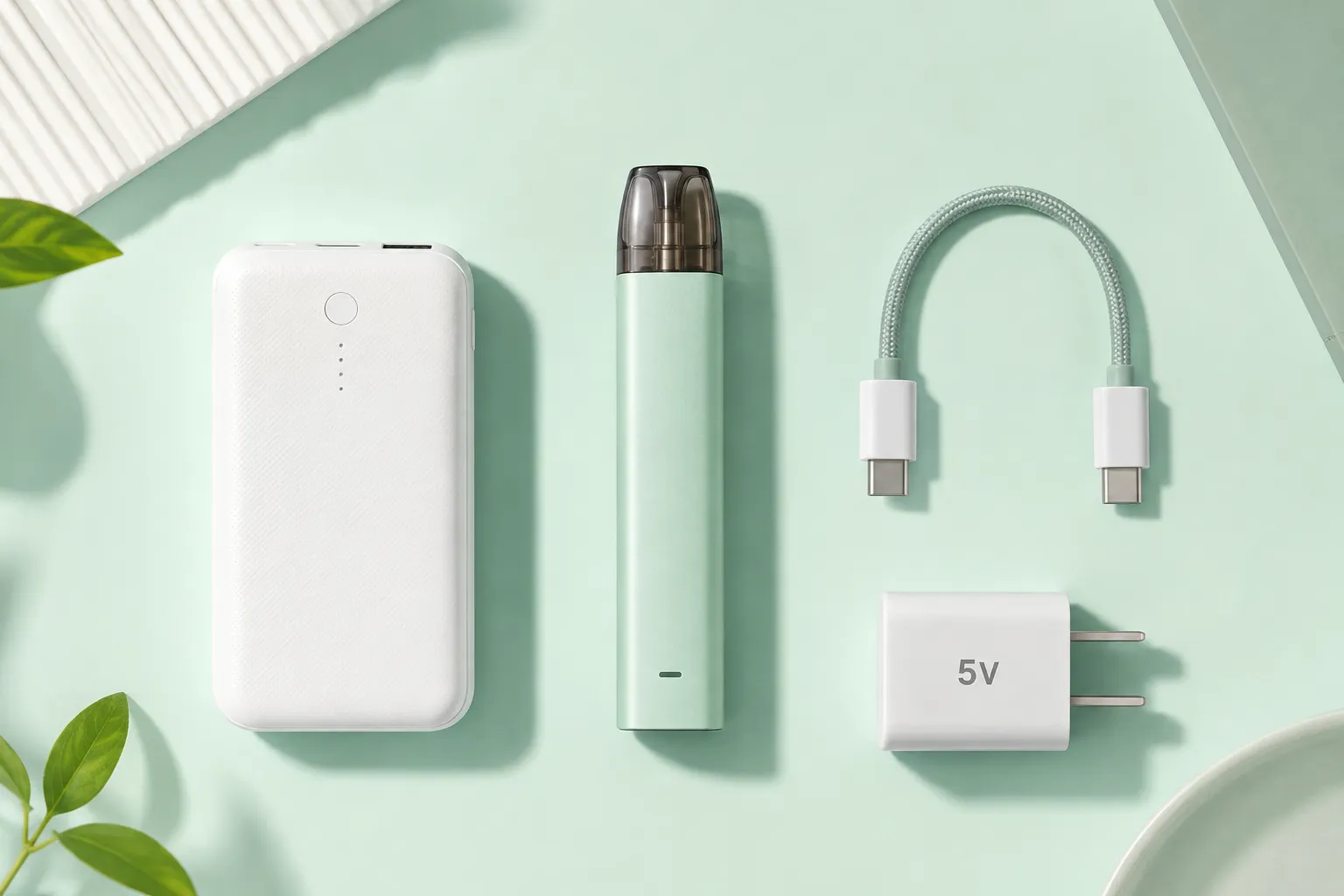
Use a standard 5 V USB-C charger. A regular phone charger, a laptop USB port, or a basic power bank all work well. Avoid using high-wattage fast chargers (like those designed for laptops or tablets that output 20 V or higher) without confirming they negotiate down to 5 V for low-power devices.
Safe charging sources:
- Standard phone wall adapters (5 V / 1 A or 5 V / 2 A)
- USB ports on laptops and desktop computers
- Portable power banks rated at 5 V output
- Car USB ports (the standard ones, not the fast-charge port)
Sources to avoid or use with caution:
- High-wattage USB-C PD (Power Delivery) chargers above 45 W, unless they support 5 V negotiation (most modern ones do, but cheap off-brand chargers may not)
- Damaged or frayed cables
- Unbranded chargers with no voltage/amperage markings
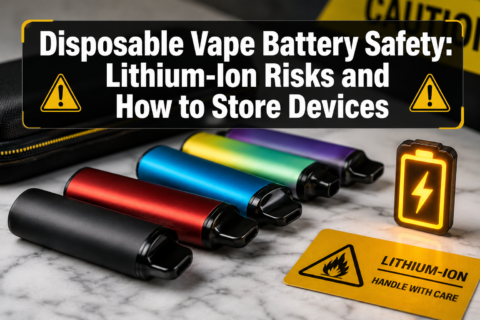
Why this matters: Disposable vape batteries are small lithium-ion cells with minimal charging circuitry. Feeding them too much voltage can cause overheating or, in rare cases, battery failure. For more on battery risks, read about disposable vape battery safety: lithium-ion risks and how to store devices.
How Do I Know When My USB-C Disposable Is Fully Charged?
Most USB-C rechargeable disposables use a single LED light near the charging port to indicate status. The most common pattern is: blinking or red while charging, solid green or white when fully charged, and LED off when unplugged.
Typical LED indicator patterns:
| LED Behavior | Meaning |
|---|---|
| Blinking red or white | Currently charging |
| Solid red | Charging, battery low |
| Solid green or white | Fully charged |
| LED turns off | Charge complete (some models) |
| Rapid blinking | Error or connection issue |
Not every brand follows the same color scheme. Check the packaging or any printed instructions that came with the device. If the label doesn’t explain the LED codes, a good rule of thumb is: when the light stops blinking and stays solid (or turns off), the charge is done.
For help reading device specifications and indicator meanings, see how to read a disposable vape label: specs, warnings, and what matters.
Rechargeable vs Non-Rechargeable Disposable Vape: Which Is Better?
Rechargeable disposables are better for most users because they deliver the full puff count, reduce waste, and cost less per puff. Non-rechargeable disposables are better only for users who want the absolute simplest experience with no charging involved.
Side-by-side comparison:
| Feature | Rechargeable USB-C | Non-Rechargeable |
|---|---|---|
| Full puff count delivered | Yes, nearly always | Often 70-90% of advertised |
| Upfront cost | Slightly higher | Slightly lower |
| Cost per puff | Lower | Higher (wasted juice) |
| Charging needed | Yes, 2-8 times | None |
| Device weight | Often lighter | Heavier (bigger battery needed) |
| Cable required | Yes (USB-C) | No |
| E-liquid waste | Minimal | 10-30% common |
Choose rechargeable if: You use devices rated above 800 puffs, you carry a USB-C cable anyway, or you dislike throwing away devices with juice still inside.
Choose non-rechargeable if: You use very low puff-count devices, you never want to think about charging, or you’re trying a flavor once and don’t care about squeezing out every last puff.
Who Should Use Rechargeable Disposables Instead of Regular Ones?
Rechargeable disposables make the most sense for daily or regular vapers, travelers, and anyone using devices rated above 1,000 puffs. They’re also a good fit for cost-conscious users who want maximum value from each purchase.
Ideal users:
- Daily vapers who go through a device every few days and want consistent performance until the last puff.
- Travelers who can charge from a power bank or hotel USB port without carrying extra devices. For travel-specific advice, see travelling in Canada with disposable vapes: airline and border rules.
- Budget-minded buyers who want the lowest cost per puff without switching to a refillable system.
- Users of high puff-count devices where battery death before juice depletion is almost guaranteed without recharging.
Not ideal for:
- People who only vape occasionally and use small, low puff-count devices.
- Users who are uncomfortable with any kind of charging or cable management.
- Anyone looking for a fully reusable system (a pod system is a better fit for that).
USB-C Disposable Vape Not Charging: What to Do
If your USB-C rechargeable disposable won’t charge, the problem is usually the cable, the power source, or a connection issue rather than a dead device. Try these steps in order before assuming the device is faulty.
Step-by-step troubleshooting:
- Try a different USB-C cable. Cheap or worn cables are the most common cause of charging failures. Use a cable you know works with your phone.
- Try a different power source. Switch from a wall adapter to a laptop USB port, or vice versa. Some power sources don’t supply enough current to trigger charging.
- Check the port for debris. Pocket lint, dust, and e-liquid residue can block the USB-C connection. Use a dry toothpick to gently clear the port.
- Make sure the cable is fully seated. USB-C connectors should click in firmly. A loose connection won’t charge.
- Wait 5 minutes. Some devices have a brief delay before the LED indicator activates.
- Check for damage. If the device is cracked, swollen, wet, or smells unusual, do not attempt to charge it. Dispose of it safely.
When to stop trying: If the device shows no response after testing multiple cables and power sources, and the port is clean, the internal battery or charging circuit is likely dead. This is more common with very cheap or counterfeit devices that lack proper quality control.
Can You Overcharge a USB-C Rechargeable Disposable?
Most reputable USB-C rechargeable disposables include a basic overcharge protection circuit that stops current flow when the battery is full. Overcharging to the point of damage is unlikely with quality devices, but leaving a device plugged in for many hours (such as overnight) is still not recommended.
Why caution still matters:
- Budget and counterfeit devices may skip or use substandard protection circuits.
- Even with protection, prolonged connection to a power source generates low-level heat that can degrade battery life over many cycles.
- Lithium-ion batteries are safest when charged in a supervised setting on a non-flammable surface.
Best practice: Plug in, wait 30 to 60 minutes, and unplug when the LED shows a full charge. Don’t leave it charging in a hot car, on a bed, or under a pillow.
Common Problems With Rechargeable Disposable Vapes
Beyond charging failures, several other issues can affect USB-C rechargeable disposables. Most are avoidable with basic care.
- Burnt taste after recharging: The battery is alive, but the e-liquid is gone. The device is finished. Learn more about why some disposable vapes taste burnt and how to avoid it.
- Weak vapor production after a charge: This can mean the coil is degrading or the juice level is very low. It’s a sign the device is near its end.
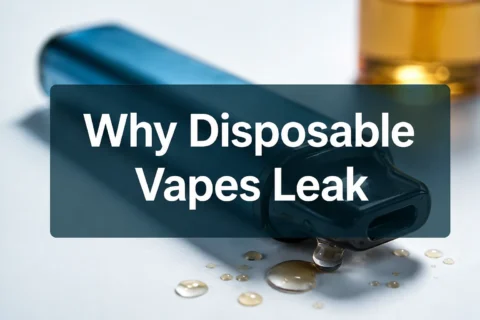
- Leaking after charging: Temperature changes during charging can cause slight pressure shifts inside the device, sometimes leading to minor leaks. This is more common in poorly sealed devices.
- LED flashing rapidly but not charging: Usually indicates a connection error or internal fault. Try a different cable first.
- Device gets hot during charging: Mild warmth is normal. If the device becomes too hot to hold comfortably, unplug it immediately and do not use it.
- Charging port breaks or loosens: Repeated plugging and unplugging can wear out the port, especially on devices with poor build quality. Be gentle and insert the cable straight, not at an angle.
Best USB-C Rechargeable Disposable Brands
The best USB-C rechargeable disposable brands in 2026 combine reliable charging circuits, consistent flavor delivery, and transparent labeling. Brand quality varies widely, and sticking with established names reduces the risk of counterfeit or poorly made devices.
What to look for in a quality brand:
- Clear labeling of battery capacity (mAh), e-liquid volume (mL), and nicotine strength
- Visible USB-C port with a snug fit
- LED charge indicator
- Compliance with local regulations (in Canada, this means adherence to provincial vaping product standards)
- Positive retailer and user reputation
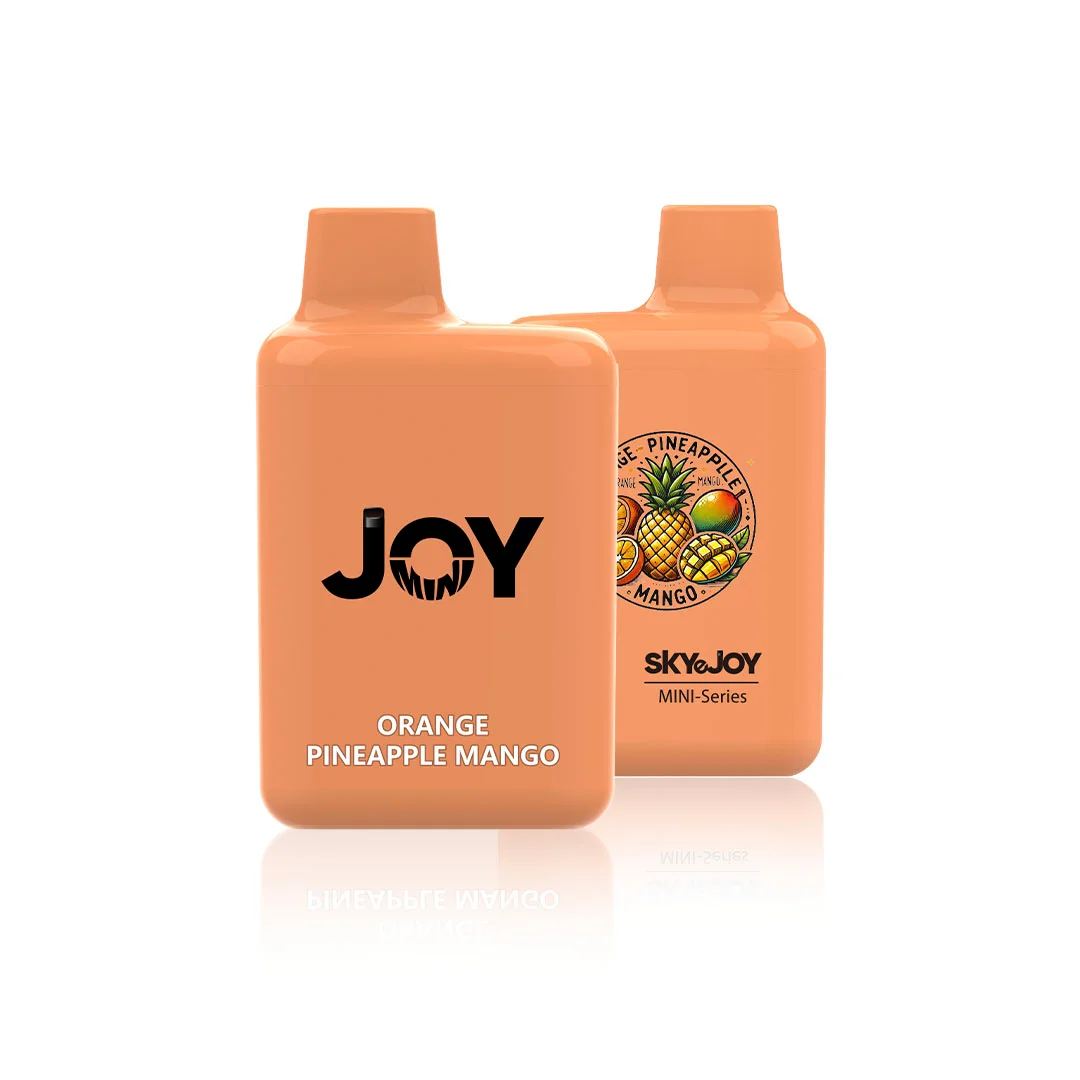
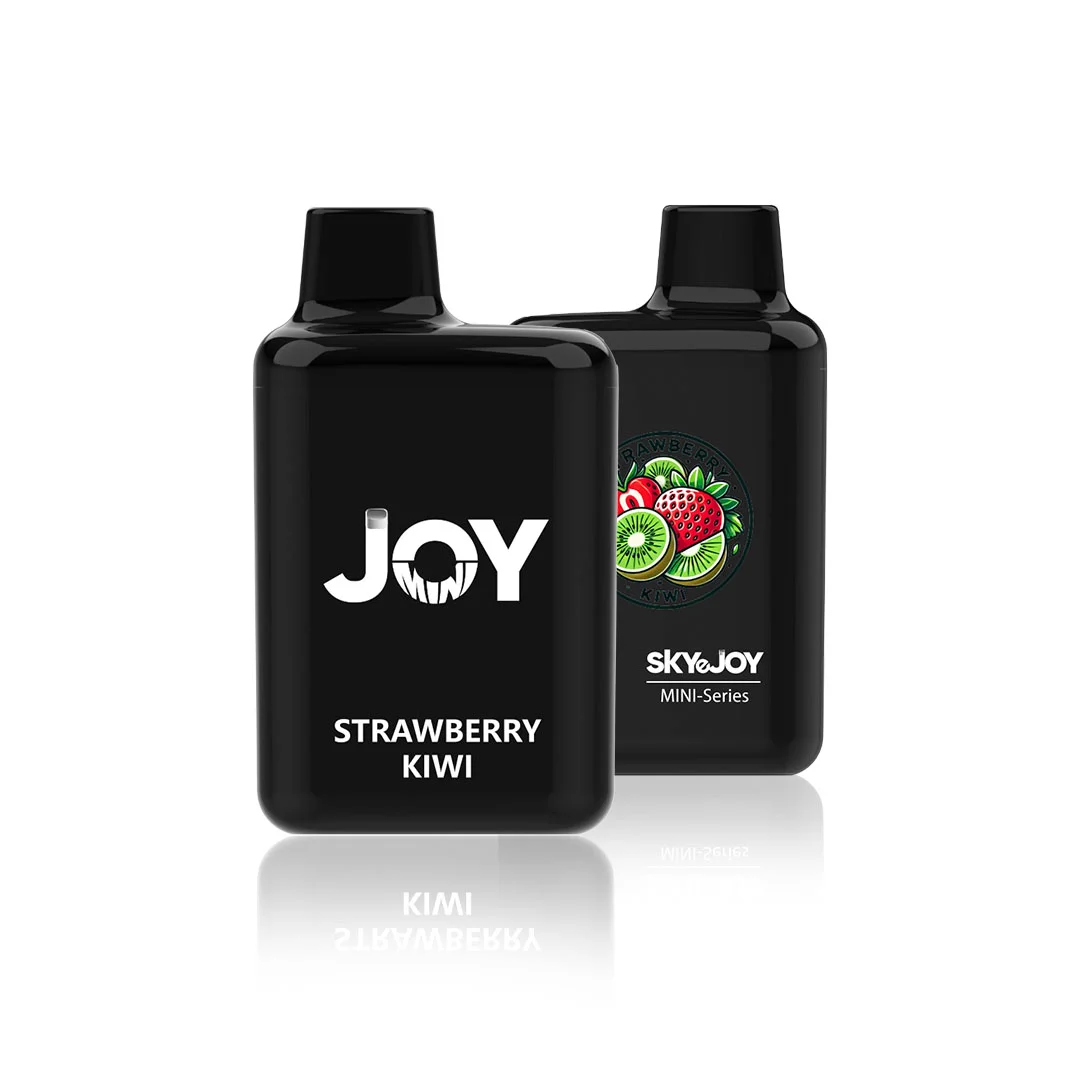
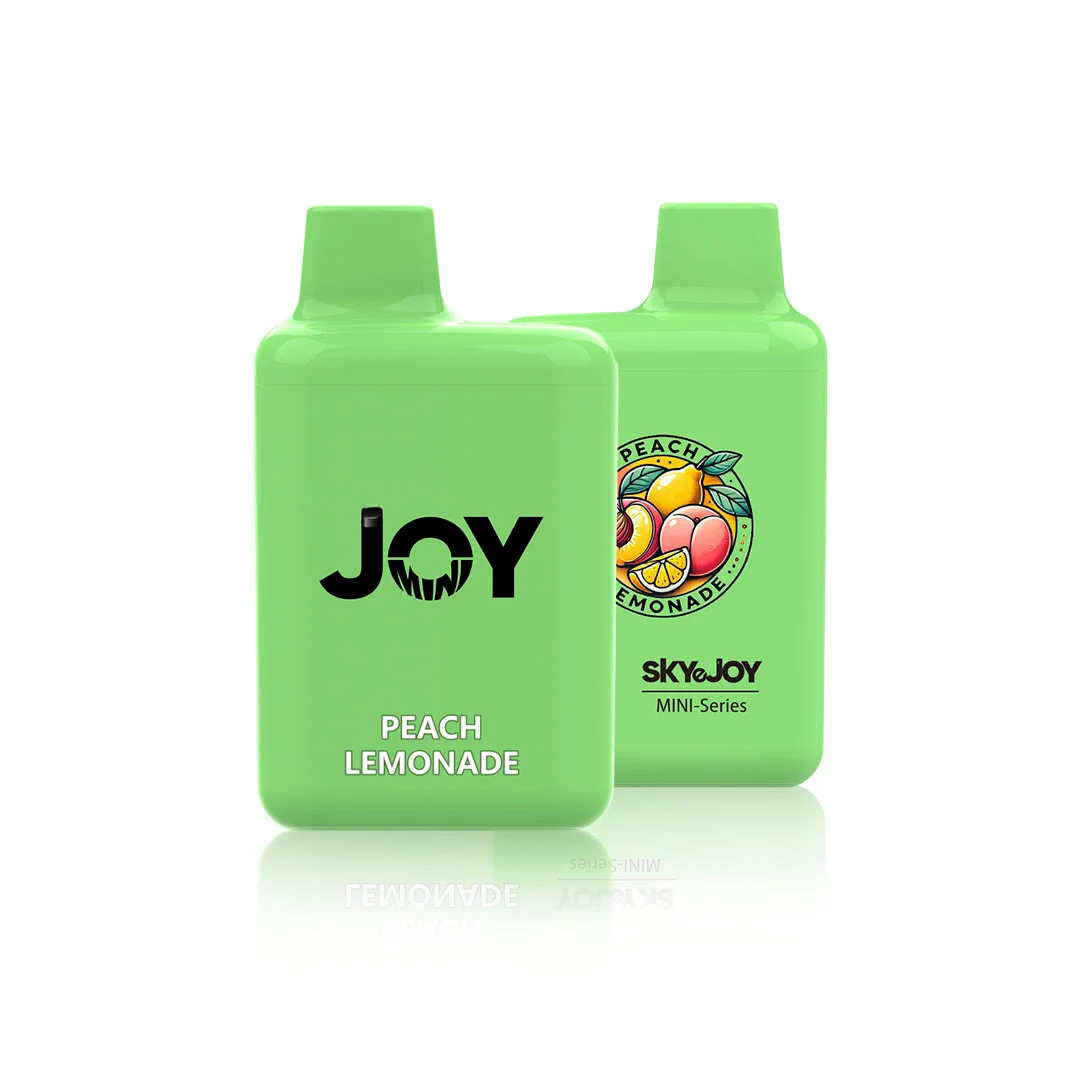
For a detailed comparison of how specific brands stack up on specs, see how Joy Mini’s 1,500-puff disposables compare to major brands on spec.
Red flags for low-quality devices:
- No brand name or manufacturer information on the packaging
- Unusually low prices compared to similar devices
- No LED indicator or charging feedback
- Packaging with spelling errors or missing regulatory information
- USB-C port that feels loose or doesn’t hold the cable securely
When and Why Charging Matters: Putting It All Together
Understanding USB-C rechargeable disposables and when and why charging matters comes down to three principles: charge before the battery dies completely, use the right power source, and stop charging when the LED says full.
When to charge:
- When vapor production noticeably drops
- When the LED blinks during a puff (low battery signal on most devices)
- When flavor starts to weaken but you know there’s juice left
- Proactively before heading out for the day, similar to topping up a phone
Why charging matters:
- It’s the only way to get the full puff count and value from the device.
- A dead battery with juice remaining is money thrown away.
- Consistent battery power means consistent flavor and vapor quality throughout the device’s life.
- Proper charging habits extend the usable life of each device and reduce the number of devices discarded prematurely.
Frequently Asked Questions
Can I charge a disposable vape that doesn’t have a USB-C port? No. If a disposable vape has no charging port, it was designed as a single-use, non-rechargeable device. Do not attempt to open it or connect wires to the battery. This is dangerous and can cause battery failure or fire.
How do I know if my disposable is rechargeable or not? Look for a USB-C port, usually on the bottom of the device. The packaging should also state “rechargeable” and list the charging specifications. If there’s no port and no mention of charging, the device is non-rechargeable.
Is it safe to charge a disposable vape with my phone charger? Yes, as long as the charger outputs 5 V, which most standard phone chargers do. Avoid using chargers designed for high-wattage laptop charging unless they support 5 V negotiation for low-power devices.
Can I vape while charging my disposable? Some devices allow pass-through vaping (using the device while it charges), but many do not. Check the device’s packaging or instructions. When in doubt, wait until charging is complete before vaping.
Why does my rechargeable disposable taste burnt even after charging? A burnt taste after a full charge almost always means the e-liquid is depleted. The battery is working, but the wick is dry. The device has reached the end of its life and should be disposed of properly.
How should I dispose of a used rechargeable disposable vape? Because these devices contain a lithium-ion battery, they should not go in regular household trash. Many municipalities and retailers offer battery recycling programs. Check local guidelines for electronic waste disposal.
Do rechargeable disposables produce more vapor than non-rechargeable ones? Not necessarily more, but more consistently. A fully charged battery delivers steady power to the coil, which means consistent vapor and flavor. A dying battery in a non-rechargeable device produces progressively weaker hits.
Can extreme temperatures affect charging? Yes. Charging in very cold conditions (below 0 degrees Celsius) or very hot conditions (above 40 degrees Celsius) can reduce charging efficiency and may damage the battery. Charge at room temperature whenever possible.
Is there a risk of explosion when charging a disposable vape? The risk is extremely low with quality devices that include proper protection circuits. The risk increases with counterfeit devices, damaged batteries, or improper chargers. Always buy from reputable sources and inspect devices before charging.
How long can a fully charged disposable vape sit unused before the battery drains? Most rechargeable disposables hold their charge well for 1 to 2 weeks of inactivity. After that, some self-discharge is normal. If a device has been sitting for a month or more, charge it before use.
Conclusion
USB-C rechargeable disposables solve the most frustrating problem with traditional disposable vapes: batteries that die before the e-liquid runs out. By 2026, USB-C charging has become the standard, making it easy to top up a device with the same cable used for a phone or earbuds.
Actionable next steps:
- Check your current device. Look for a USB-C port on the bottom. If it’s there, you have a rechargeable model and should be charging it when vapor weakens.
- Use the right charger. Stick with standard 5 V sources: phone chargers, laptop USB ports, or basic power banks.
- Don’t leave devices charging unattended for hours. Plug in, wait for the solid LED, and unplug.
- Buy from reputable brands and retailers. Quality charging circuits and proper safety features are not optional.
- Dispose of used devices responsibly. Lithium-ion batteries require proper recycling, not the regular trash.
Getting the full value from a disposable vape is straightforward: charge it correctly, charge it on time, and use a safe power source. That’s when and why charging matters.